Archive for the ‘Fotografie’ Category
Homo Sapiens Shopping
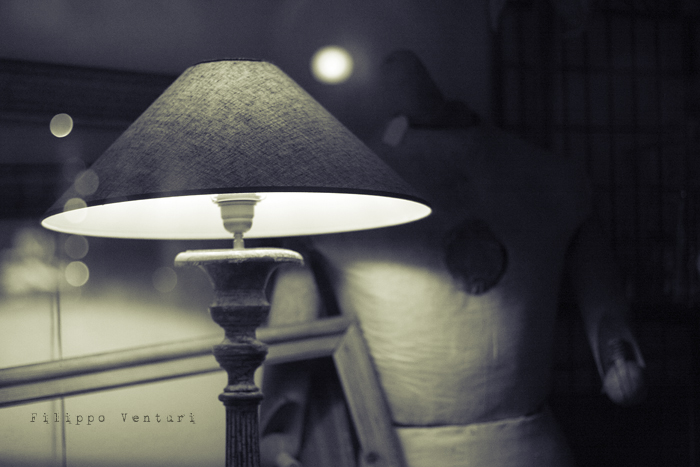
Homo Sapiens Shopping - After love
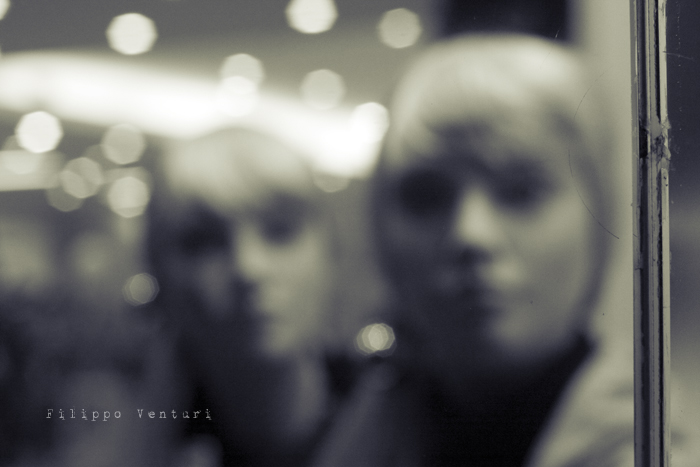
Homo Sapiens Shopping - Twins

Homo Sapiens Shopping - She

Homo Sapiens Shopping - Think

Homo Sapiens Shopping - Mary Jane
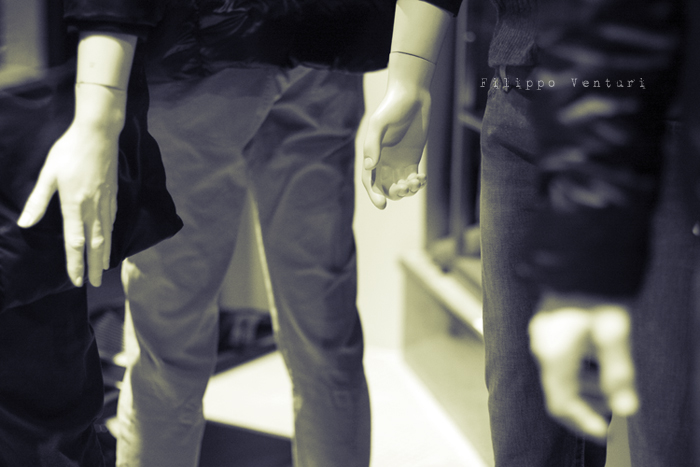
Homo Sapiens Shopping - Half apples
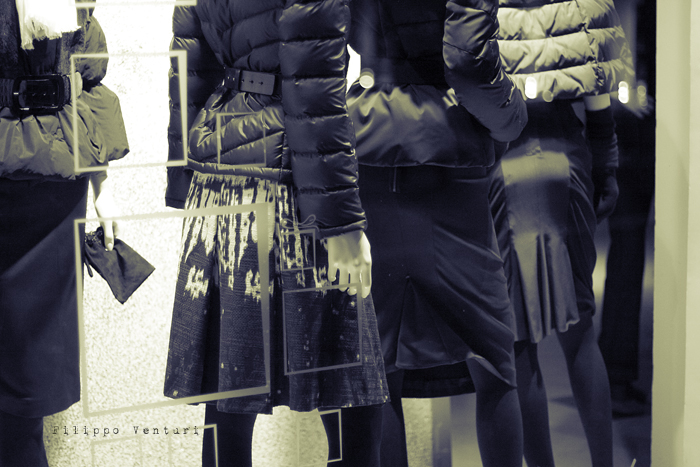
Homo Sapiens Shopping - Pied Piper of Hamelin
Mary Jane, che disponeva di scarsissime risorse per passare il tempo da sola in una stanza, si alzò e andò alla finestra. Tirò da un lato la tenda e appoggiò il polso contro uno dei listelli che quadrettavano i vetri; ma sentendo sulla pelle una polvere granulosa, lo staccò subito, lo strofinò con l’altra mano per pulirlo e prese una posizione più eretta. Fuori, il nevischio sudicio stava rapidamente mutando in ghiaccio. Mary Jane lasciò ricadere la tenda e si avviò pigramente verso la sua poltrona, passando davanti a due scaffali gremiti di libri senza guardare un solo titolo. Una volta seduta, aprì la borsa e tirò fuori lo specchio per esaminarsi i denti. Chiuse le labbra e fece scorrere con forza la lingua sugli incisivi superiori, poi se li guardò di nuovo.
– “Lo zio Wiggily nel Connecticut” (Nove Racconti), J. D. Salinger
Mario Cresci – Future Images
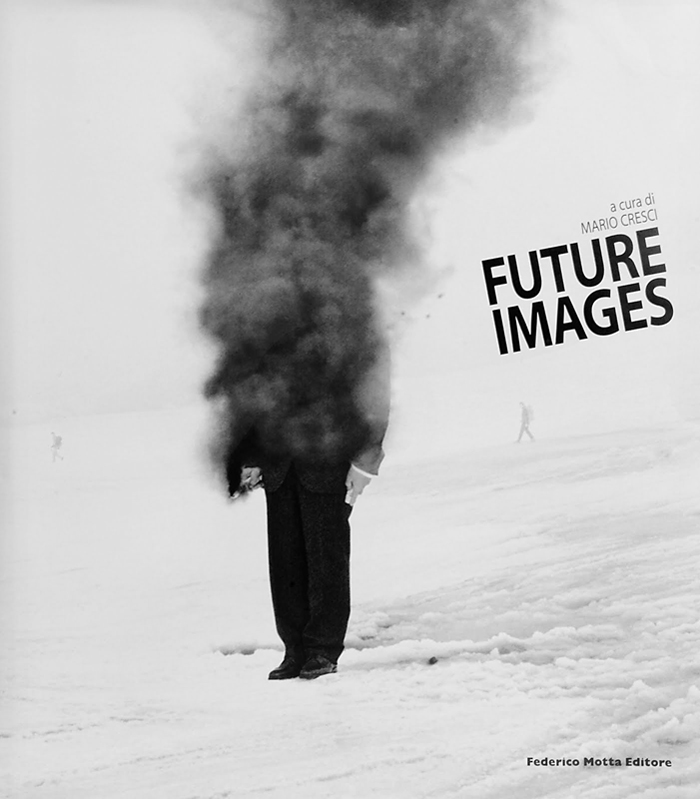
Mario Cresci - Future Images
“Future images” vuole essere come una cartina di tornasole per la parziale analisi delle modalità espressive di una selezione di artisti di tutto il mondo, che usano da tempo il mezzo fotografico in modo profondamente diverso da quello dei fotografi. In realtà è a partire dagli anni Settanta che sono caduti gli ultimi confini tra linguaggi e gli strumenti espressivi dell’arte contemporanea, per cui sambrerebbe superfluo sottolineare questa annosa questione. Tuttavia è pu vero che ancora oggi “permangono divisioni di competenze a basi di valutazione differenti tra storici dell’arte e storici della fotografia, che non possono essere tralasciate, anche per comprendere l’ambito nel quale alcuni autori hanno ottenuto maggiore considerazione”. (ibs.it)
Tramonto al Jurassic Skatepark
Sabato 31 Luglio 2010 (lensbaby raptus)

Tramonto al Jurassic Skatepark (Foto 1)
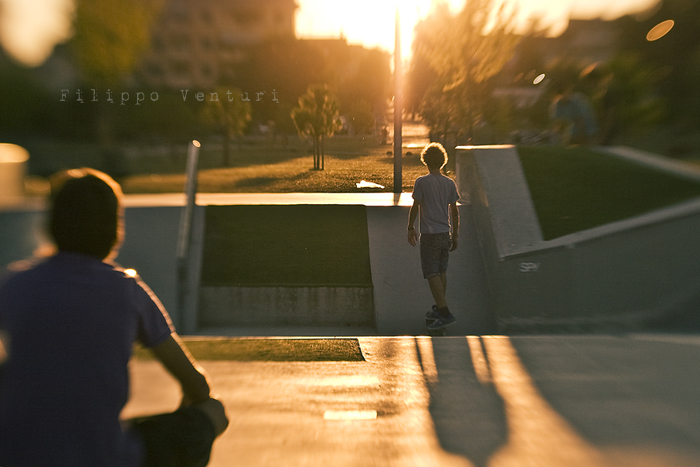
Tramonto al Jurassic Skatepark (Foto 2)

Tramonto al Jurassic Skatepark (Foto 3)

Tramonto al Jurassic Skatepark (Foto 4)
The Big Picture – Afghanistan, July 2010
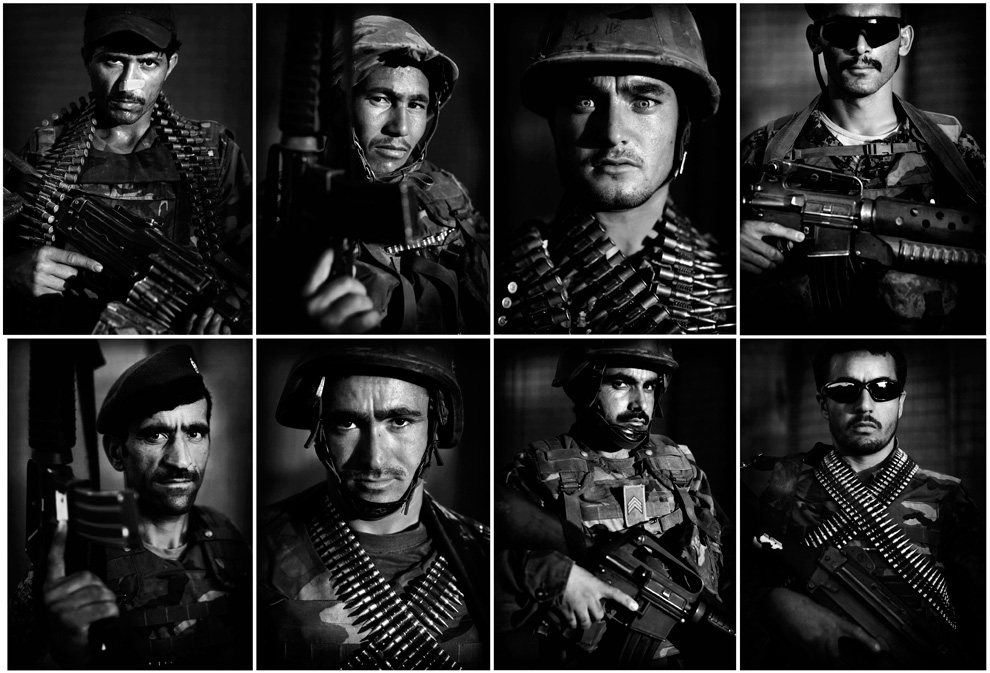
This combination photograph shows portraits of Afghan National Army soldiers following a patrol made on Sunday, July 11, 2010, at the United States Army's Combat Outpost Ware, in the volatile Arghandab Valley, near Kandahar City, southern Afghanistan. (AP Photo/Kevin Frayer)

United States Marines from Bravo Company of the 1st Battalion of the 2nd Marines fire machine guns for suppression during a gunbattle as part of an operation to clear the area of insurgents near Musa Qaleh, in northern Helmand Province, southern Afghanistan, Friday, July 23, 2010. (AP Photo/Kevin Frayer)

U.S. Army soldiers with Task Force Thor Route Clearance Patrol from 23rd Engineering Company, Airborne detonate an Improvised Explosive Device (IED) that they discovered during a day-long route clearance mission July 7, 2010 near Khakriz, Afghanistan. (Justin Sullivan/Getty Images)

Soldiers with the U.S. Army's 1-320 Field Artillery Regiment, 101st Airborne Division shield themselves from the dust as a Medevac helicopter takes off outside Combat Outpost Nolen in the Arghandab Valley north of Kandahar July 30, 2010. One soldier lost his leg and another was hit by shrapnel after an Improvised Explosive Device (IED) blew up during a patrol near the base. (REUTERS/Bob Strong)

A soldier with an injured ankle from the US Army's 1-320 Field Artillery Regiment, 101st Airborne Division is assisted past his burning M-ATV armored vehicle after it struck an Improvised Explosive Device (IED) on a road near Combat Outpost Nolen in the Arghandab Valley in this picture taken July 23, 2010. None of the four soldiers in the vehicle were seriously injured in the explosion. (REUTERS/Bob Strong)

A U.S. Marine Corps F-18 Hornet aircraft prepares to refuel over Afghanistan July 8, 2010. (U.S. Air Force photo by Staff Sgt. Andy M. Kin/Released)
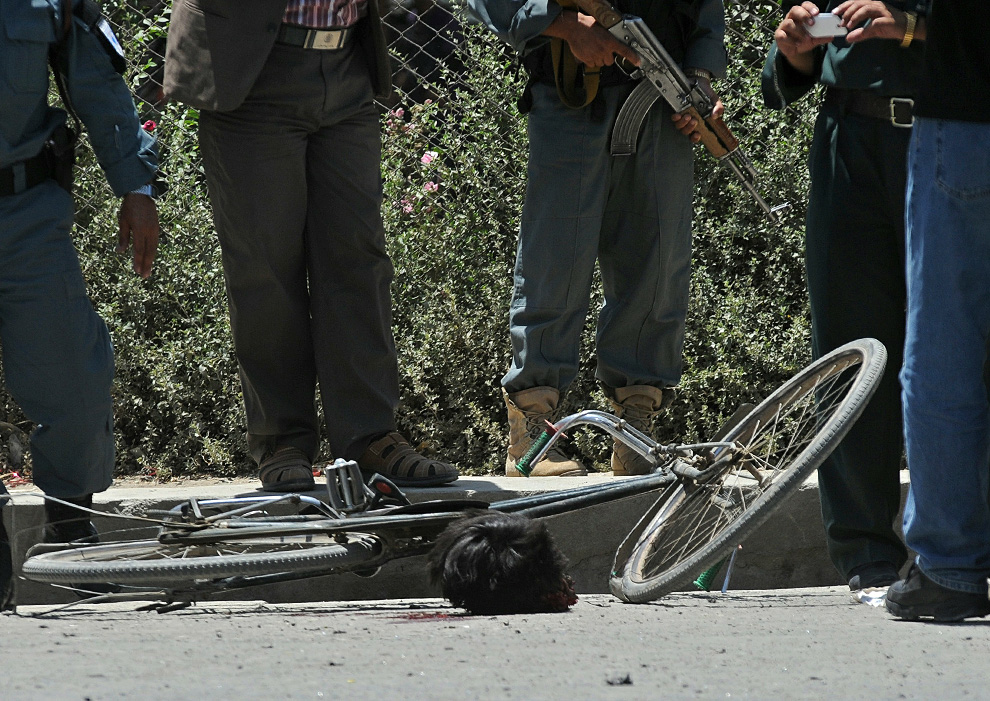
Afghan security personnel stand near the severed head of a suicide bomber at the site of a suicide attack in Kabul on July 18, 2010. A suicide bomber on a bicycle detonated explosives in central Kabul July 18, injuring six people, two days before a key international conference in the capital, a government official told AFP. (MASSOUD HOSSAINI/AFP/Getty Images)
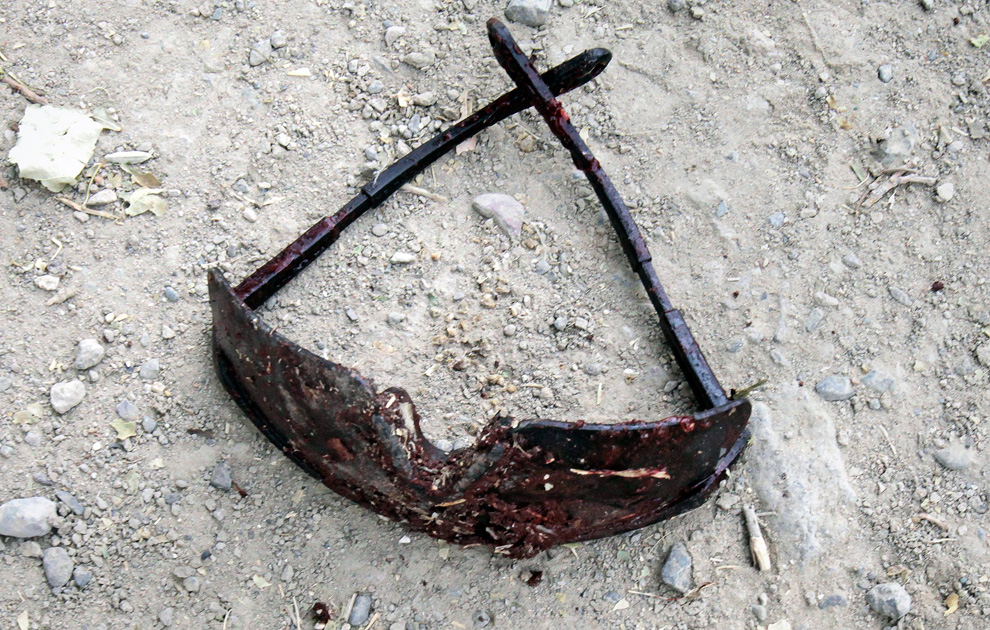
A pair of bloody sunglasses lie on the ground after an IED exploded injuring two US Army soldiers just outside Combat Outpost Nolen in the Arghandab Valley north of Kandahar July 30, 2010. (REUTERS/Bob Strong)
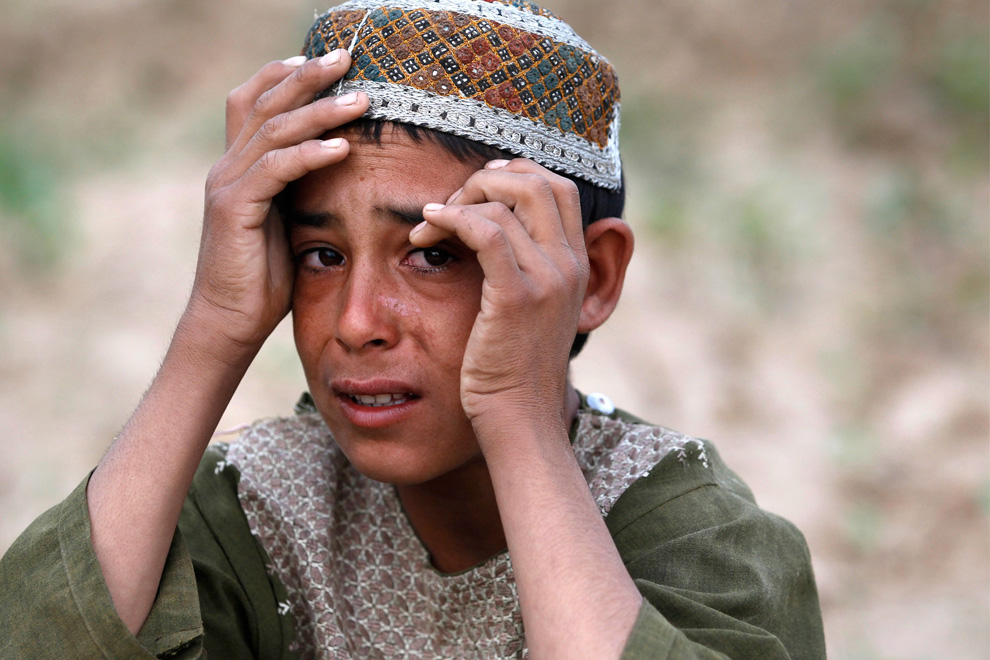
A boy weeps for a man who US Army soldiers said fired on them with an AK-47 was shot and killed near the village of Samir Kalacheh in Arghandab Valley north of Kandahar July 28, 2010. (REUTERS/Bob Strong)
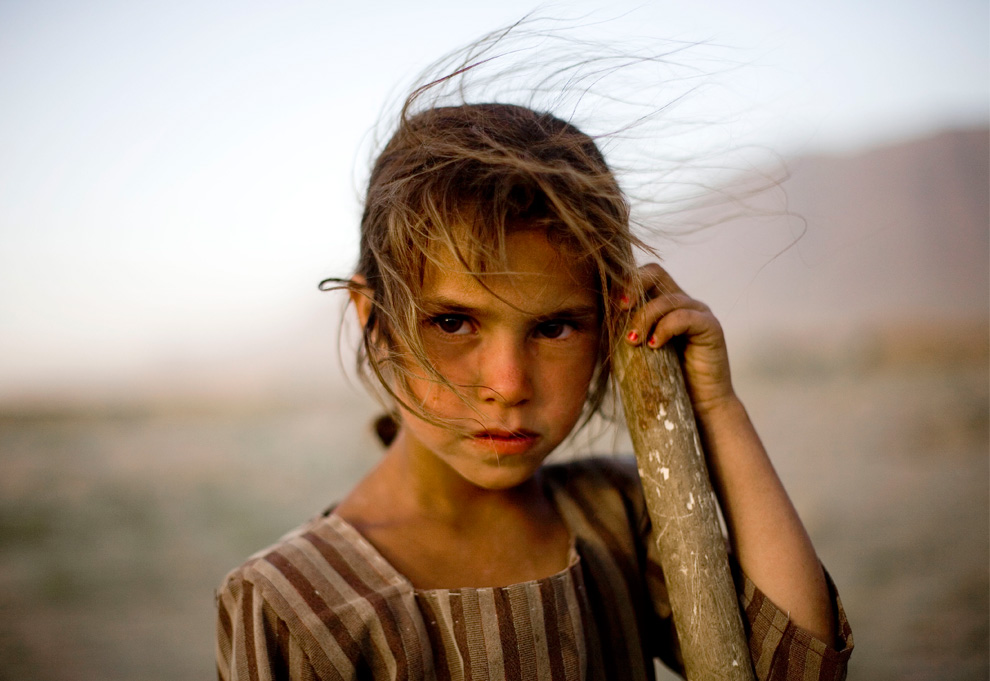
An Afghan girl who fixes potholes in a road between Kabul and Bagram and depends on tips from passing motorists, waits for vehicles in Afghanistan, Tuesday, July 6, 2010. (AP Photo/Dusan Vranic)
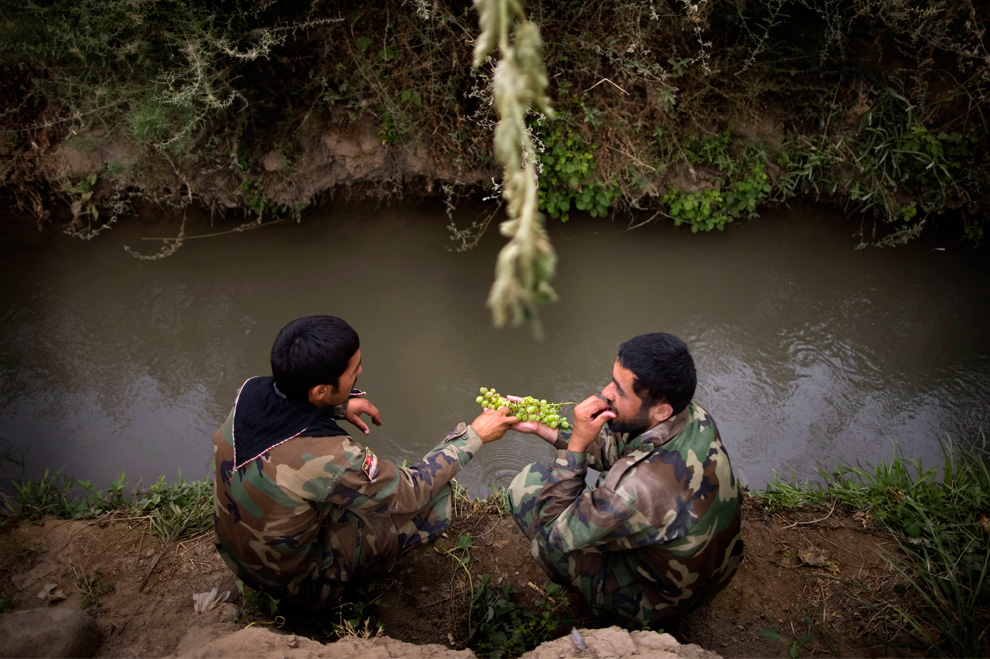
Afghan army soldiers share grapes beside a small canal after arriving to reinforce U.S. troops at Combat Outpost Nolen, in Arghandab Valley, in Kandahar, Afghanistan, Thursday, July 22, 2010. (AP Photo/Rodrigo Abd)
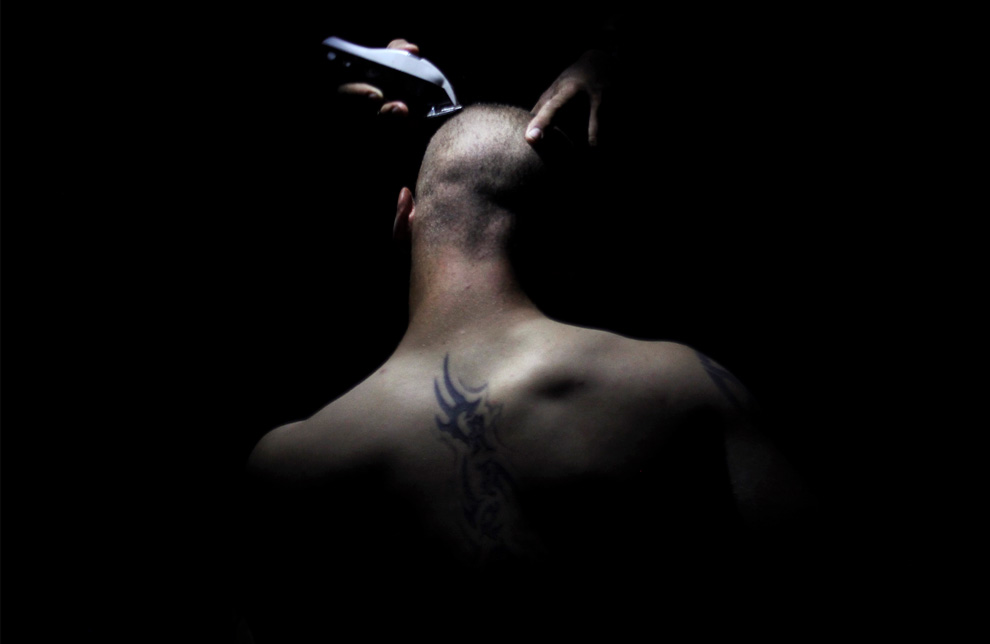
A United States soldier from Bravo Company, 2nd Battalion of the 508 Parachute Infantry Regiment of the 82nd Airborne, has his head shaved by the light of a flashlight at Combat Outpost Ware Sunday July 11, 2010, in Arghandab Valley, outside Kandahar City. (AP Photo/Kevin Frayer)

An Army carry team moves a transfer case with the remains of Army Specialist Matthew R. Hennigan, of Las Vegas, Nevada, who died in Operation Enduring Freedom, during a dignified transfer at Dover Air Force Base on July 2, 2010 in Dover, Delaware. (Brendan Smialowski/Getty Images)
La serie intera è qui.
Dario Fo e Franca Rame presentano La Bibbia dei Villani
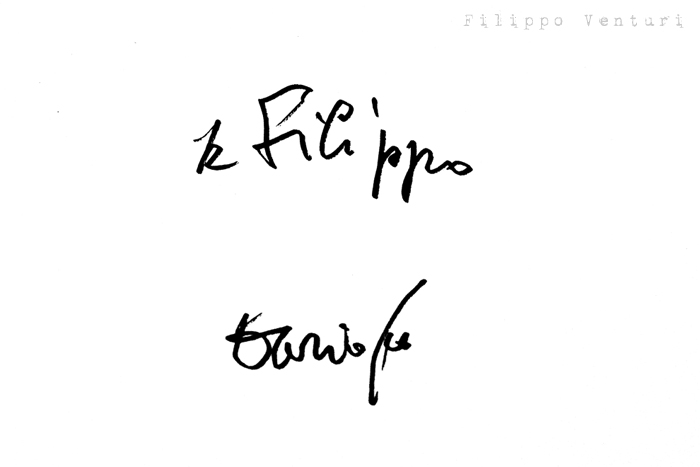
Dario Fo presenta La Bibbia dei Villani al Castello di Sorrivoli
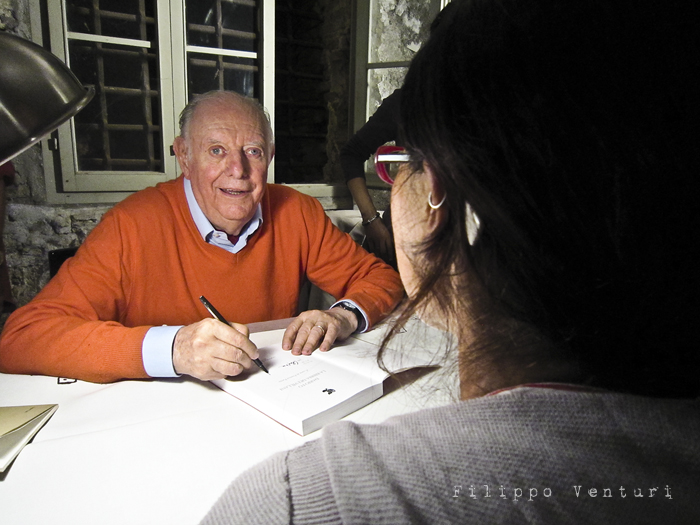
Dario Fo presenta La Bibbia dei Villani al Castello di Sorrivoli

Dario Fo presenta La Bibbia dei Villani al Castello di Sorrivoli

La Bibbia dei villani
Esiste una Bibbia degli imperatori, splendidamente miniata, ed esiste, meno appariscente e meno nota, anche se non meno preziosa, una Bibbia dei villani. È la Bibbia dei contadini, degli straccioni, dei poveracci, che la tradizione orale e scritta di ogni regione d’Italia ci ha tramandato, e che Dario Fo e Franca Rame hanno scoperto in anni di ricerche sulle tradizioni popolari e ricreato sulla scena e, in una versione inedita e arricchita, in questo libro. Sono tabulazioni tragiche, miste al grottesco e alla sempre presente autoironia, inventate nei secoli dai siciliani, dai calabresi, dai napoletani e dai contadini di tutta la valle del Po. In questa Bibbia dei villani Dio è nella brocca del vino, nell’agnello che nasce o che stanno ammazzando. Da sempre i villani mangiano Dio, lo amano e discutono con lui, perché sono certi che Dio sia il bene ma in parte anche il male, la vita ma anche la morte. Dio per loro è gioia ma anche sofferenza, godimento e pianto, sorriso e sghignazzo. Ecco perché la Bibbia dell’imperatore è solenne e spesso ridicola, mentre quella dei villani è commossa e piena di risate. (ibs.it)
Purtroppo Franca Rame non era presente all’incontro.
“Cercate di comunicare sempre, di capire la verità.”
– Frase di chiusura dell’intervento di Dario Fo, Sorrivoli 29/07/2010


