Archive for the ‘Fotografie’ Category
Stephen Shore
Stephen Shore è uno dei miei fotografi preferiti, da cui traggo ispirazione ed anche serenità quando ne guardo le fotografie :)
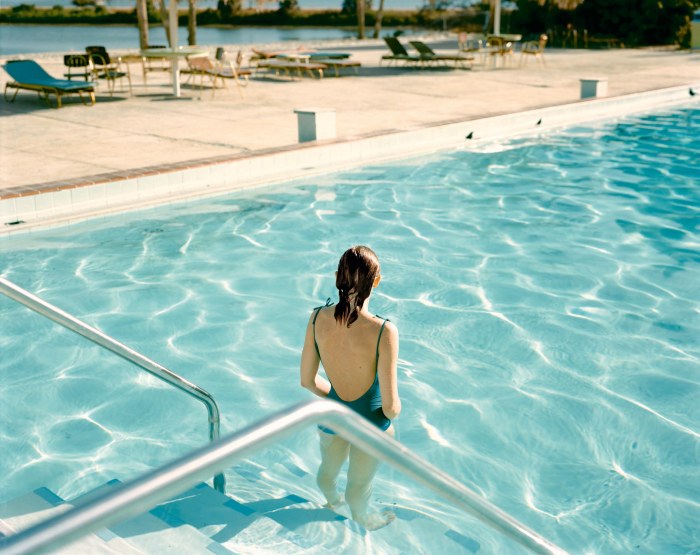
Stephen Shore, photo 1

Stephen Shore, photo 2

Stephen Shore, photo 3

Stephen Shore, photo 4

Stephen Shore, photo 5
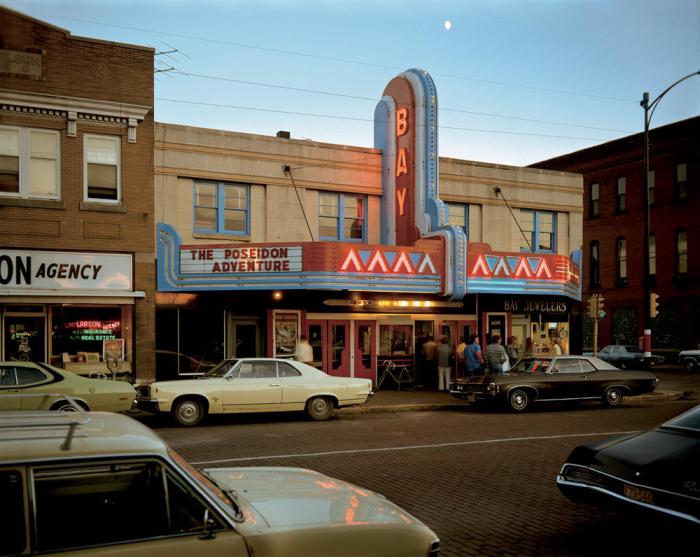
Stephen Shore, photo 6

Stephen Shore, photo 7

Stephen Shore, photo 8

Stephen Shore, photo 9

Stephen Shore, photo 10
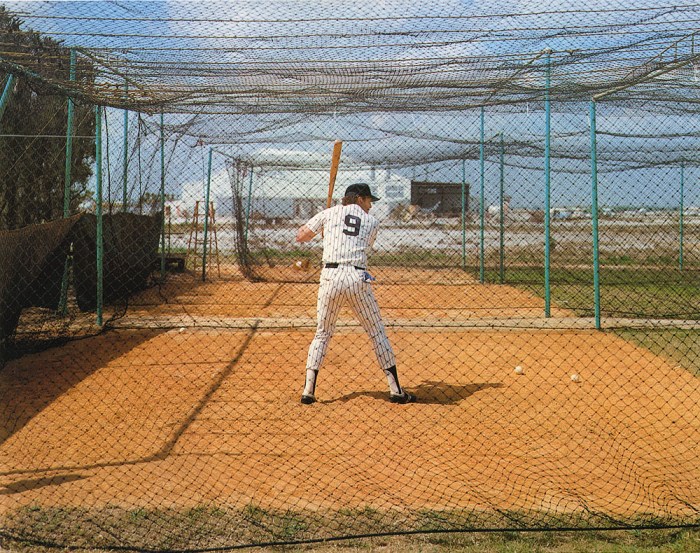
Stephen Shore, photo 11
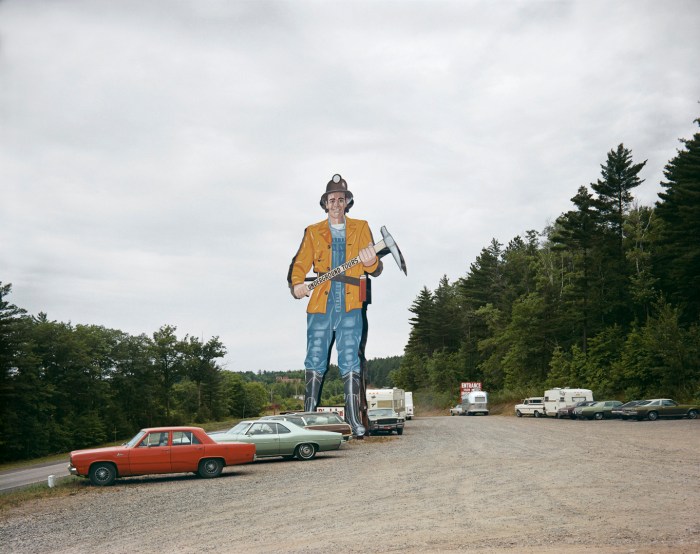
Stephen Shore, photo 12

Stephen Shore, photo 13
___
Per chi non lo conoscesse, riporto una breve biografia presa online:
The photographic career of Stephen Shore (New York, USA, 1947) began when he was fourteen and presented his photos to the curator of photography at the MoMA in New York, Edward Steichen, who bought three of his works. At the age of seventeen Shore met Andy Warhol and started documenting the Factory and surroundings. In 1971, at the age of 24, Shore was the second living photographer to have a one-man show at the Metropolitan Museum of Art in New York. In 1972 he started photographing the American landscape during many cross country road trips. Shore’s work has been widely published and exhibited and has influenced generations of photographers, especially because of his pioneering use of colour and vernacular imagery.
He has had solo exhibitions at the MoMA in New York; George Eastman House in Rochester, NY; Art Institute, Chicago and Kunsthalle Düsseldorf, among other venues. In 2007 his solo exhibition The Biographical Landscape was presented at the International Center of Photography in New York. In 1982 he was appointed Director of the Photography Program at Bard College in New York, where he has been the Susan Weber Soros Professor in the Arts since 1996.
His work is represented in major public collections, including the Metropolitan Museum, Whitney Museum and MoMA, New York; Museum of Fine Arts, Houston; SF MOMA, San Francisco; Los Angeles County Museum of Art and the Sprengel Museum, Hannover. Shore published various groundbreaking photobooks and some of them have been reprinted in revised editions, such as American Surfaces, Uncommon Places and The Nature of Photographs. A comprehensive monograph will be published by Phaidon in February 2008.
In 2006 Stephen Shore was the first guest editor of a biannual series called Witness, published in the US by the non-profit organisation Joy of Giving Something and Nazraeli Press. In this issue, Shore talks at length about his fascination for new technological developments such as iPhoto books and printing-on-demand, and the effect these have on his own work. Stephen Shore is represented by 303 Gallery in New York.
(source: foam.org)
___
Sempre da internet:
10 Things We Can Learn from Stephen Shore
Stephen Shore became one of the most important photographers of our time by photographing everyday objects like swimming pools, street signs, shop windows or food. Sounds familiar? Read on for the 10 things we can learn from him about our own photography.
Stephen Shore is one of the most iconic American photographers of our time. Born in New York City in 1947, he started photographing at an early age and, after undertaking a roadtrip through the US at age 25, dove into color photography. His work not only proved that beauty can be created out of seemingly mundane scenes and objects, but also that color photographs can be considered as fine art, which, until the 1970s, was reserved for B&W photography only.
Shore influenced a whole generation of photographers such as Nan Goldin, Andreas Gursky, Martin Parr, Joel Sternfeld, and Thomas Struth. You can find out more about him on his website.
Here are 10 things we can learn from Stephen Shore:
1. Beauty is everywhere
More than anybody else, Stephen Shore proves that you don’t have to travel far to capture something special. It’s right here, where you are, waiting to be put into a picture.
2. Understand color
Colors are not just “there,” they are compositional elements just like lines, geometry or framing. Look out for interesting patterns and see how your photographs will change.
3. Use different formats
Don’t restrict yourself to just one format: different formats enable you distinctive ways of seeing. Shore switched formats often for various projects that he worked on, sometimes using heavy large format cameras and sometimes handheld 35mm snapshot cameras.
4. Travel
Some of Shore’s most iconic photographs came from a 1972 road trip from NYC to Texas. He just took a car and drove through the country, capturing whatever inspired him: from strangers at truck stops to women’s hats in a shop window.
5. Make yourself part of the picture
While in recent years selfies have taken on a whole new character, including parts of yourself in a picture adds a very personal touch to it. Just go beyond the odd “me in the mirror” snap and rather explore different perspectives on documenting yourself and your life.
6. Be a keen observer
Shore’s photographs wouldn’t have the same power if he didn’t observe his surroundings closely. Walk around, look and listen to understand where you are – then shoot.
7. Print your images
Looking at Stephen Shore’s images as large high quality prints is an eye-opening experience. Print out your own images in a large format and you’ll see what really works.
8. Keep a photographic diary
This may seem self-evident, but taking photos of your daily life and the things that inspire you creates a beautifully rich history of your unique life. Don’t be afraid to capture the mundane; looking at it later often reveals narratives you weren’t aware of before.
9. Believe in yourself
Stephen Shore was, and still is, highly controversial. Many don’t see anything special in his photographs. But despite the criticism, he kept on doing what he did – and eventually became one of the most important photographers of our time who inspired a whole new generation.
10. Always have your camera with you
The best photographs happen when you aren’t prepared. Make photography part of your life and you’ll always be ready.
(source: hblog.eyeem.com)
___
Sebastião Salgado
Sebastião Salgado (born February 8, 1944) is a Brazilian social documentary photographer and photojournalist.
He has traveled in over 100 countries for his photographic projects. Most of these have appeared in numerous press publications and books. Touring exhibitions of this work have been presented throughout the world. Longtime gallery director Hal Gould considers Salgado to be the most important photographer of the early 21st century.
Salgado is a UNICEF Goodwill Ambassador. He was awarded Foreign Honorary Membership of the American Academy of Arts and Sciences in 1992 and was awarded The Royal Photographic Society’s Centenary Medal and Honorary Fellowship (HonFRPS) in 1993.
Source: Wikipedia

Sebastiao Salgado, photo 1

Sebastiao Salgado, photo 2

Sebastiao Salgado, photo 3
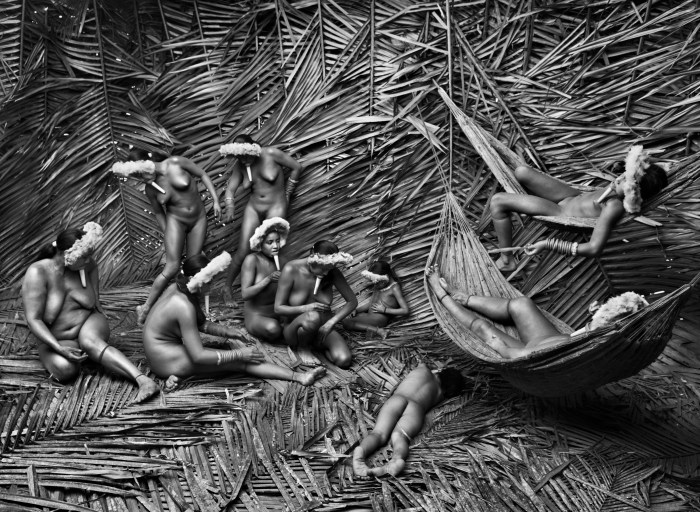
Sebastiao Salgado, photo 4
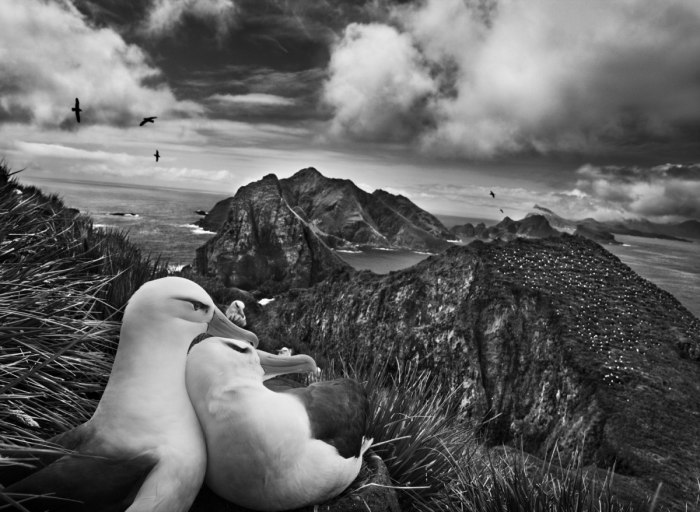
Sebastiao Salgado, photo 5

Sebastiao Salgado, photo 6

Sebastiao Salgado, photo 7

Sebastiao Salgado, photo 8
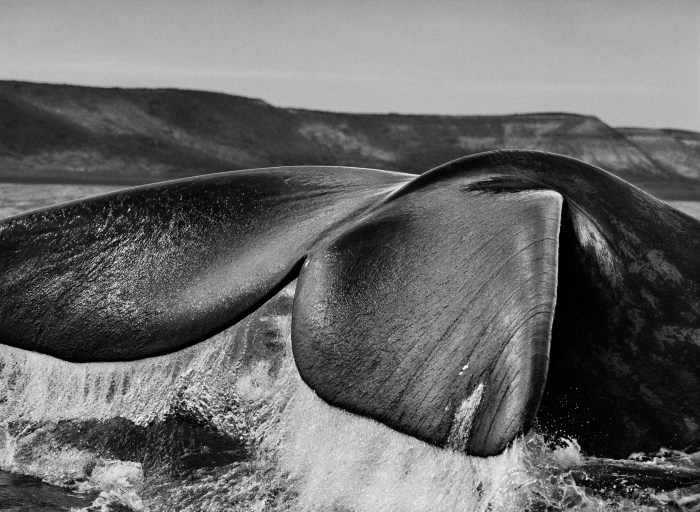
Sebastiao Salgado, photo 9

Sebastiao Salgado, photo 10
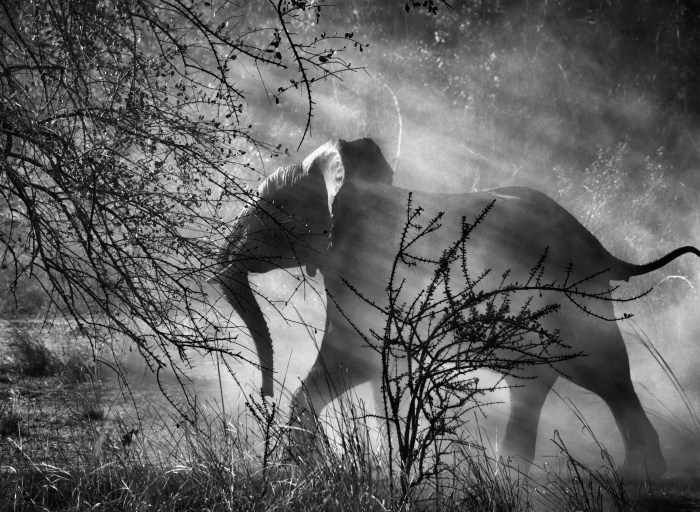
Sebastiao Salgado, photo 11

Sebastiao Salgado, photo 12

Sebastiao Salgado, photo 13

Sebastiao Salgado, photo 14

Sebastiao Salgado, photo 15

Sebastiao Salgado, photo 16
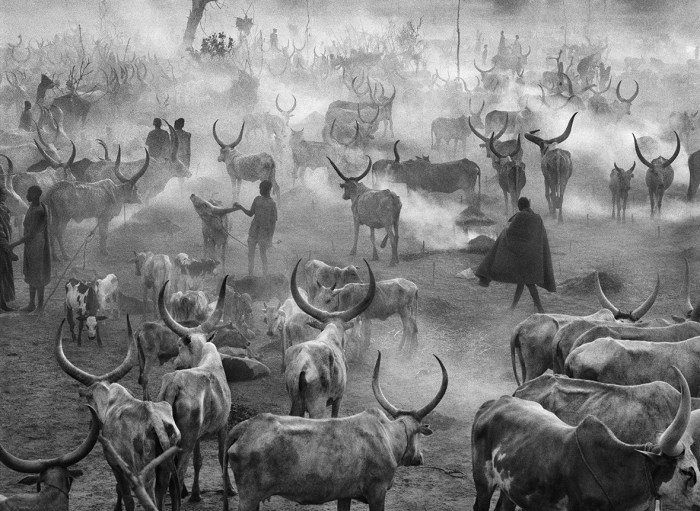
Sebastiao Salgado, photo 17
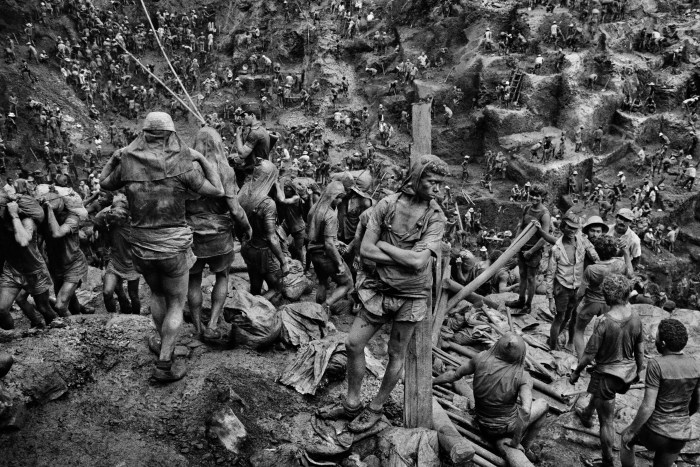
Sebastiao Salgado, photo 18
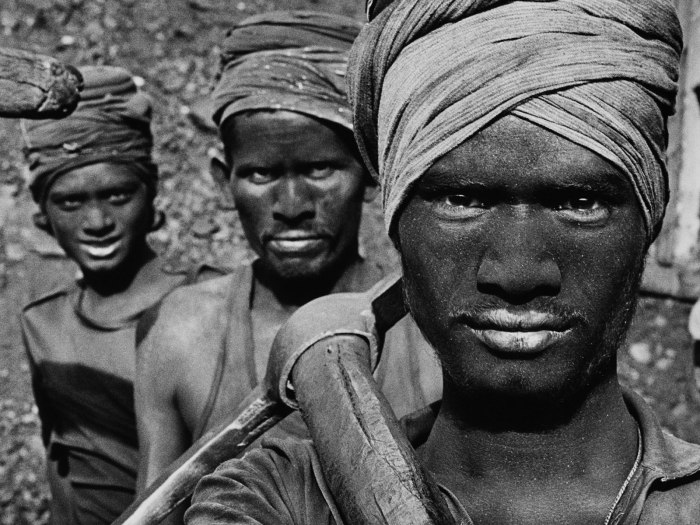
Sebastiao Salgado, photo 19
___
Canon EOS 5DS, reflex full frame da 50 Megapixel

Canon EOS 5DS, reflex full frame da 50 Megapixel
___
A giorni Canon dovrebbe annunciare la nuova Canon EOS 5DS, una reflex full frame con sensore da ben 50 Megapixels, due processori DIGIC6, autofocus con 61 punti ed il modulo esposimetrico con 150,000 pixel RGB + IR. La sensibilità andrà da 100 a 16.000 ISO, con raffica a 5 fps. Il corpo sarà in lega di magnesio e tropicalizzato.
Si parla anche di un secondo modello, la Canon EOS 5DS R, senza filtro passa basso.
Il prezzo della Canon 5DS dovrebbe aggirarsi sui 3.800 dollari.
Il prezzo della Canon 5DS R sarà invece attorno ai 4.300 dollari.
Il lancio dovrebbe avvenire il 17 marzo 2015!
___
Canon 5DS Specifiche tecniche:
- Dimensions of 142x123x77mm
- Weight of 775g, with battery and card 850g
- LCD Display of 3.2 inches with a 1,280,000 pixels
- 50MP CMOS Sensor
- Resolution of 5.773×8.660 pixels
- 14-bit ADC, 16-bit data pipelines, 12-channel parallel readout
- Full frame Sensor Size 23.9 x 36mm
- 1.3x and 1.6x Crops
- Two Live View mode
- Video 1080/60p.
- ISO – ISO 100 to 16.000, with special ISO mode 25.600 and 51.200.
- Highest ISO 102.400.
- Auto ISO – ISO 100 to 16.000
- When you hit the flash, ISO automatically will be fixed at 400, but is automatically reduced to 100 if overexposed.
- If hit bouncing, ISO ranges from 400 to 1600.
- In the Bulb mode, fixed ISO 400
- Viewfinder – OVF 98% coverage. 0.72x with 50mm lens, eye point of 18mm
- 65 point AF
- Fine-tuning mode
- Metering – 150,000 RGB + IR sensor from the 7D Mark II
- Shutter speed – 1/8000 ~ 30 seconds, bulb. (Carbon and Kevlar fiber, durability 200,000 sheets)
Flash Sync – 1/200. - There are “Bulb Timer” from the 7D mark II, allowing you to extend the exposure time up to 100 hours
- 7fps continuous shooting
- File Format – JPG, CR2
- Electronic Stability – Yes
- Connectivity of HDMI, HD output, 2 SD slot, USB 3.0 port
- Canon Camera Batteries up to 1,250 shots
___
Fonti:
photorumors.com
techtoyreviews.com
kenrockwell.com
___
Romagna RFC – Pesaro Rugby 26-29
Romagna RFC – Pesaro Rugby 26-29
Cesena, 25/01/2015


___
Laboratorio Rif alla Biblioteca Malatestiana di Cesena
Alcune delle fotografie realizzate per l’Open Day di Laboratorio Rif, alla Biblioteca Malatestiana :)
Cesena, 25/01/2015


___


 Filippo Venturi Photography | Blog